Welcome to Ooh So Vein Medical Diagnostic Service
CONNECT WITH OUR KNOWLEDGEABLE PROFESSIONALS

Risk Factors for CVI Include
- Family history of vein disease
- Obesity
- Pregnancy
- Prolonged standing or sitting
- Previous leg injuries or blood clots (DVT)
A PAINLESS ULTRASOUND CAN HELP
Early Treatment Makes a Big Difference
Early detection and management — through lifestyle changes is key. Compression therapy helps minimize the appearance of varicose veins. Minimally invasive procedures helps treat venous insufficiency and— can dramatically improve symptoms and prevent serious complications like skin ulcers.
YOU ARE NOT ALONE
MOST COMMON SYMPTOMS
.png/:/cr=t:12.5%25,l:0%25,w:100%25,h:75%25/rs=w:388,h:194,cg:true)
CVI Is Very Common — and Often Underdiagnosed
Chronic Venous Insufficiency affects up to 40% of the U.S. population, with women slightly more affected than men. However, many cases go undiagnosed until symptoms become severe
MOST COMMON SYMPTOMS
COMMON REASONS WHY THIS OCCURS
MOST COMMON SYMPTOMS
.png/:/cr=t:12.51%25,l:0%25,w:100%25,h:74.99%25/rs=w:388,h:194,cg:true)
Common Symptoms Include
- Leg swelling (especially after standing)
- Aching, throbbing, or heavy legs
- Varicose veins
- Skin discoloration (darkening around the ankles)
- Leg cramps or itching
- Non-healing wounds (venous ulcers), particularly around the ankles
COMMON REASONS WHY THIS OCCURS
COMMON REASONS WHY THIS OCCURS
COMMON REASONS WHY THIS OCCURS
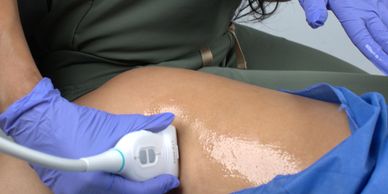
It Happens When Vein Valves Fail
CVI occurs when the valves in the leg veins become damaged or weakened, causing blood to pool in the legs instead of returning to the heart. Over time, this leads to swelling, skin changes, and sometimes ulcers Ultrasound is a leading noninvasive tool for diagnosing venous disease and guiding its treatmen
WHY SHOULD I SEEK TREATMENT?
COMMON REASONS WHY THIS OCCURS
COMMON REASONS WHY THIS OCCURS
.png/:/cr=t:12.51%25,l:0%25,w:100%25,h:74.99%25/rs=w:388,h:194,cg:true)
Why Seek Treatment for Chronic Venous Insufficiency (CVI)?
Left untreated, CVI can worsen over time, leading to serious complications such as painful swelling, skin discoloration, varicose veins, and even hard-to-heal leg ulcers. Early treatment not only relieves symptoms like aching, heaviness, and fatigue in the legs but also helps prevent long-term damage to the skin and veins. Seeking treatment improves mobility, enhances overall leg health, and dramatically increases your quality of life — helping you stay active, comfortable, and confident.